








Acing the art of sit-down dinners, by invite only
Read Time:5 Minute, 48 Second
Intimate, high-impact dinners are making a comeback, and modern tastemakers, celebrities, and power hosts are curating them as the ultimate mark of prestige. Think opulent tablescapes, theatrical plating, and bespoke menus where every detail is a flex. For the organisers, it’s not just about feeding guests but staging an experience they’ll never forget. From personalized name tags to cross-cultural food fusions, what truly goes into curating a high-profile sit-down dinner, top chefs decode it for you.
Tastefully yours:
Technology, especially social media, has transformed dining into a shared cultural narrative. It extends curated culinary moments beyond the table, turning each meal into a story that resonates with wider audiences. Digital platforms now showcase not just dishes, but the rich stories behind them amplified by culinary influencers who make these experiences both aspirational and accessible. Recently, at the Conrad Hotels & Resorts, fine dining witnessed a bold, immersive upgrade with the launch of Art of Experiential Dining. Celebrating India’s diverse culinary heritage, the program re-imagined gastronomy with a twist of cultural deep dive. The program made its debut in India with an inaugural dinner at Conrad Pune by Chef Pradeep Rao, followed by a second edition at Conrad Bengaluru by Executive Chef Mohammed Eliyaz of Conrad Bengaluru.

The Bengaluru edition, hosted at Indian Durbar focused on 19th-century royal Indian banquets. The menu reinterpreted classics through slow-cooking and deconstructed presentation by Chef Mohammed Eliyaz. “The menu was not just about flavours; it was about curating an immersive journey. The goal was to create a dining experience that is both rooted in heritage and elevated through modern techniques and presentation,” mentions Chef Eliyaz, who ensured every fine details like spice levels, dietary tweaks to drink pairings and plating was tailored to perfection.
Memories, mood, and mastery:
Curating a high-profile sit-down dinner is about more than just food; it’s about crafting an experience. Flavour alone doesn’t define a great dinner, as the key lies in personalization, believes Chef Shantanu Mehrotra of Indian Accent. He says, “The menu should feel fresh, seasonal, and luxurious, though luxury doesn’t always mean caviar or truffles. Occasionally, it’s just about thoughtfulness and finesse in execution.” For him, it all starts with one question: What would my guest enjoy? Everything, from menu to mood, flows from that.
Like any good chef, Mehrotra digs deep into guest preferences like dietary restrictions to how formal or relaxed they like their service. “Some like to be pampered, while others may find that level of service intrusive. It’s about creating an environment that feels tailored and thoughtful; never so stiff that it feels intimidating. Our cuisine is deeply rooted in Indian traditions but presented with a fresh accent. You might find a Khandvi re-imagined as ravioli, stuffed with goat’s cheese and served with kasundi-marinated beetroot. The goal is to create food that feels familiar yet new,” he notes. This philosophy allows him to cater to a broader audience, with flexible pricing across the 4-course and 6-course menus at the restaurant and bespoke rates for private sit-down catering, depending on the chosen menu.
Custom curations:
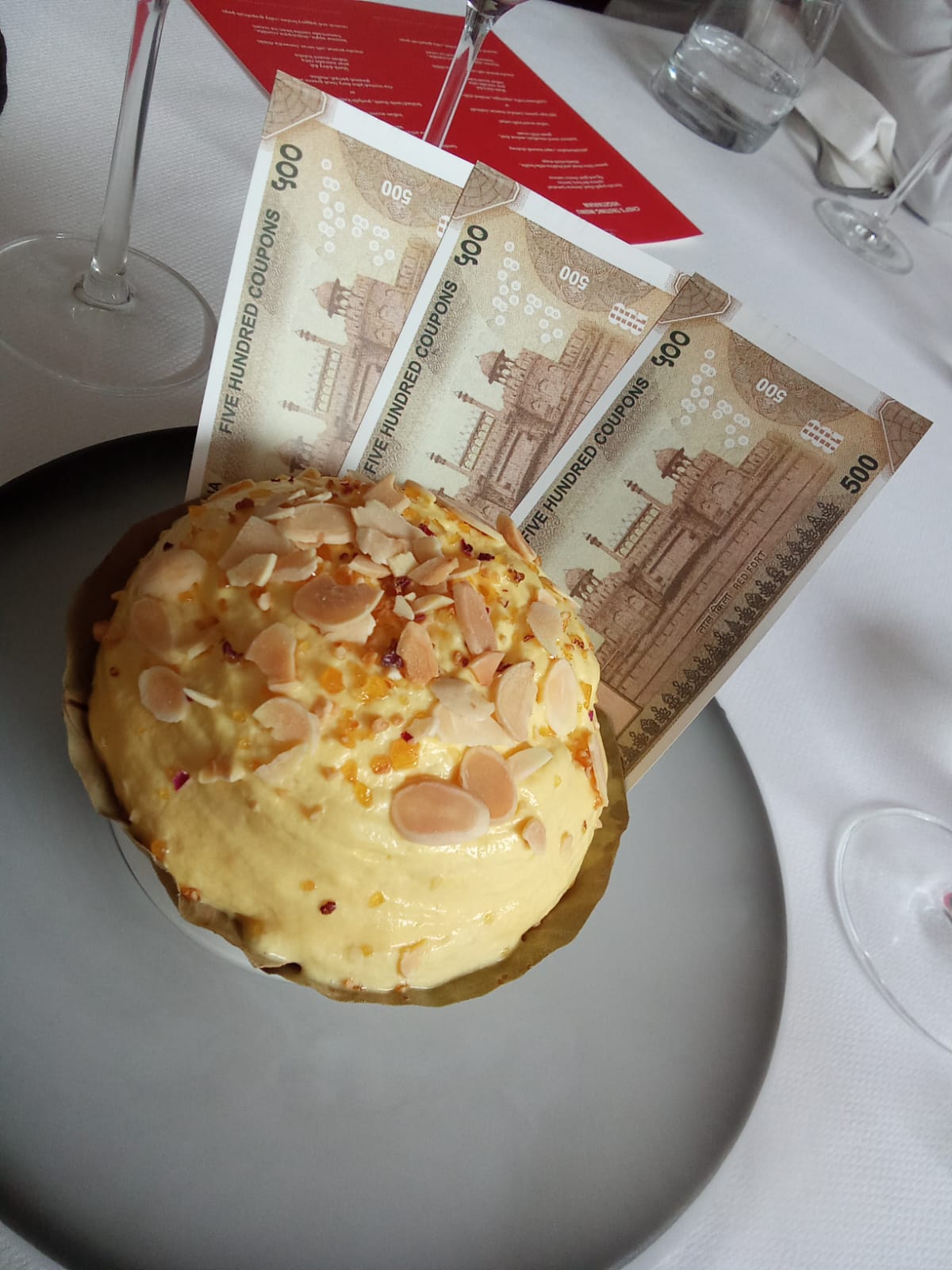
Whether it’s a relaxed brunch, an after-work drink, or an indulgent dinner, with the return of intimate gatherings, there’s a renewed desire for experiences that feel both exclusive and personal. In Delhi, Chef Jatin Mallick of Dos compares the dining table to a creative stage for sensory theatre. He informs, “The curated experiential dinners are no longer confined to just an elite circle, but has extended to a space where globally inspired, ingredient-led cuisines are accessible for all. We offer private sit-down dinners through our tasting-menu experiences, which can be fully tailored to our guests’ preferences and the pricing varies depending on the number of courses, ingredient complexity, and level of customization.”
Known for bold pairings and modern twists on familiar formats, a sit-down menu is designed to spark conversations. For Mallick, crafting a menu is about reading the host’s personality, decoding what excites them, and translating that into a culinary narrative. It is the careful calibration between personal expression and wide appeal that turns a sit-down dinner into a signature experience, says Mallick. He adds, “Whether it’s pairing a smoky tequila-based cocktail with umami-rich peppers, or cacao-spiced rum with buttered edamame, each detail is meticulously planned to elevate the moment. We believe food is an extension of personality, and we focus on what excites the host, their inspirations, memories, or even favorite spirits and then build a menu based on that.”
Ultimately, it’s about creating connection through food, mood, and memory. Inclusivity in flavors like offering vegetarian or gluten-free alternatives without compromising on storytelling is vital. The idea is to create layers: so, while one guest appreciates the culinary innovation, another connects emotionally with a story or ingredient. It’s this layered resonance that creates a truly unforgettable experience.
Diverse, sustainable and tech-friendly:
Behind the scenes of putting-together a lavish dinner goes weeks of R&D, tastings, and thoughtful sourcing. Chef Eliyaz mentions, “Curating a sit-down dinner is a thoughtful process that combines culinary precision, cultural relevance, and sensory storytelling. We drew inspiration from the 19th-century royal kitchens, where Mughal, French, Nawabi, and Bengali influences intertwined. Re-imagined dishes like Chowk Ki Tikiya, inspired by Lucknow’s vibrant chowks and the Shahi Tukda from Hyderdabad are some examples. Our team crafted layers of flavours starting with a delicate flan and a rich brown onion consommé with caramelized onions, which are integral to Indian cuisine. The fusion of traditional flavours and innovative presentation ensured that every dish is authentic yet evolving.”
For such occasions, technology also plays a key role in spreading awareness. From helping chefs to discover ways to maximize ingredients to adopting mindful practices, thanks to digital platforms guests today are far more informed and connected. Chef Mehrotra opines, “Sustainability goes beyond just sourcing the right ingredients. A restaurant must be sustainable across its entire ecosystem like business operations, staffing, vendor relationships, and community impact. True sustainability means growing together. We work with local vendors to reduce our carbon footprint, source plates from artisans practicing Naga black pottery to support traditional craft, and follow practices like waste segregation and re-using kitchen trimmings.”
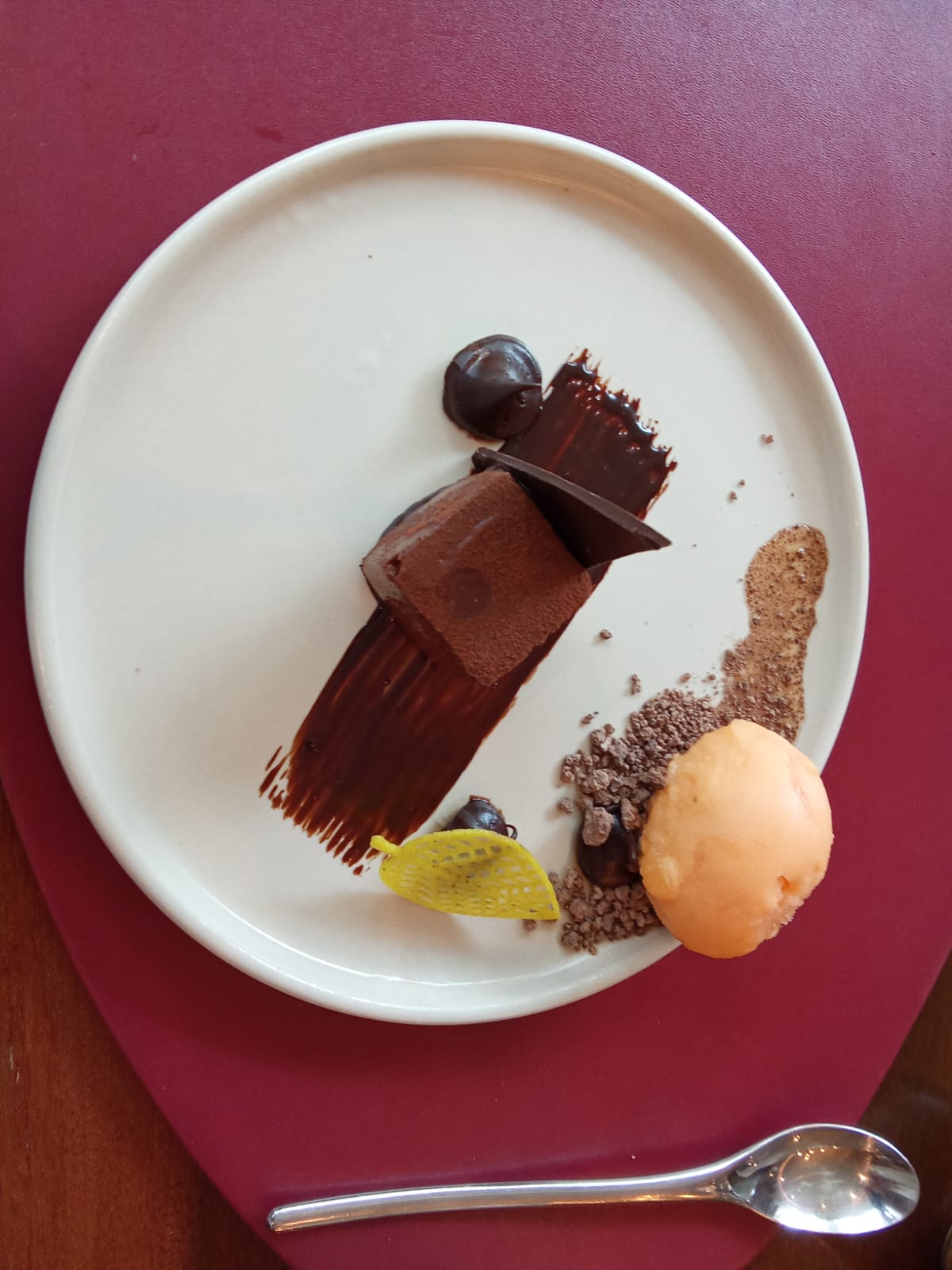
From sourcing local, seasonal ingredients to minimizing food waste, chefs are adding a sustainable touch to the dinners by partnering with ethical farmers and fishers to ensure fresh, responsibly sourced produce. Chef Mallick says, “With the help of direct interactions chefs are educating their customers about the importance of sustainability, origin of ingredients and plant-based menus. Social media and influencer marketing now drive awareness, bookings, and even menu trends. One viral post can lead to waiting lists, while aesthetic, Instagram-worthy plating has become a key part of luxury dining.”


Happy
0 %

Sad
0 %

Excited
0 %

Sleepy
0 %

Angry
0 %

Surprise
0 %
 0
0
 0
0